Long Term Storage in Seattle, WA
Discover comprehensive long-term storage solutions in Seattle. Explore secure units for your valuables with 24/7 access. Sign up now!


Keeping Your Belongings Safe and Dry in Seattle’s Wetter Months
In Seattle's rainy season, finding a dry, secure spot for your valuables can be challenging. Don’t let moisture damage what matters most to you; contact us today to secure your climate-controlled space.
Movher understands that protecting your assets requires more than just a lock and key; it requires a facility designed to withstand the specific environmental challenges of the Pacific Northwest.
- Secure, climate-controlled units available in various sizes to accommodate everything from single rooms to whole-home inventories.
- 24/7 access with top-tier security ensures your items are protected and accessible whenever you need them.
- Competitive pricing with transparent contracts, offering both long-term and temporary solutions for your transition.
Choose confidence with our fully licensed facilities, featuring comprehensive security and safety systems.
Comprehensive Long-Term Storage Solutions
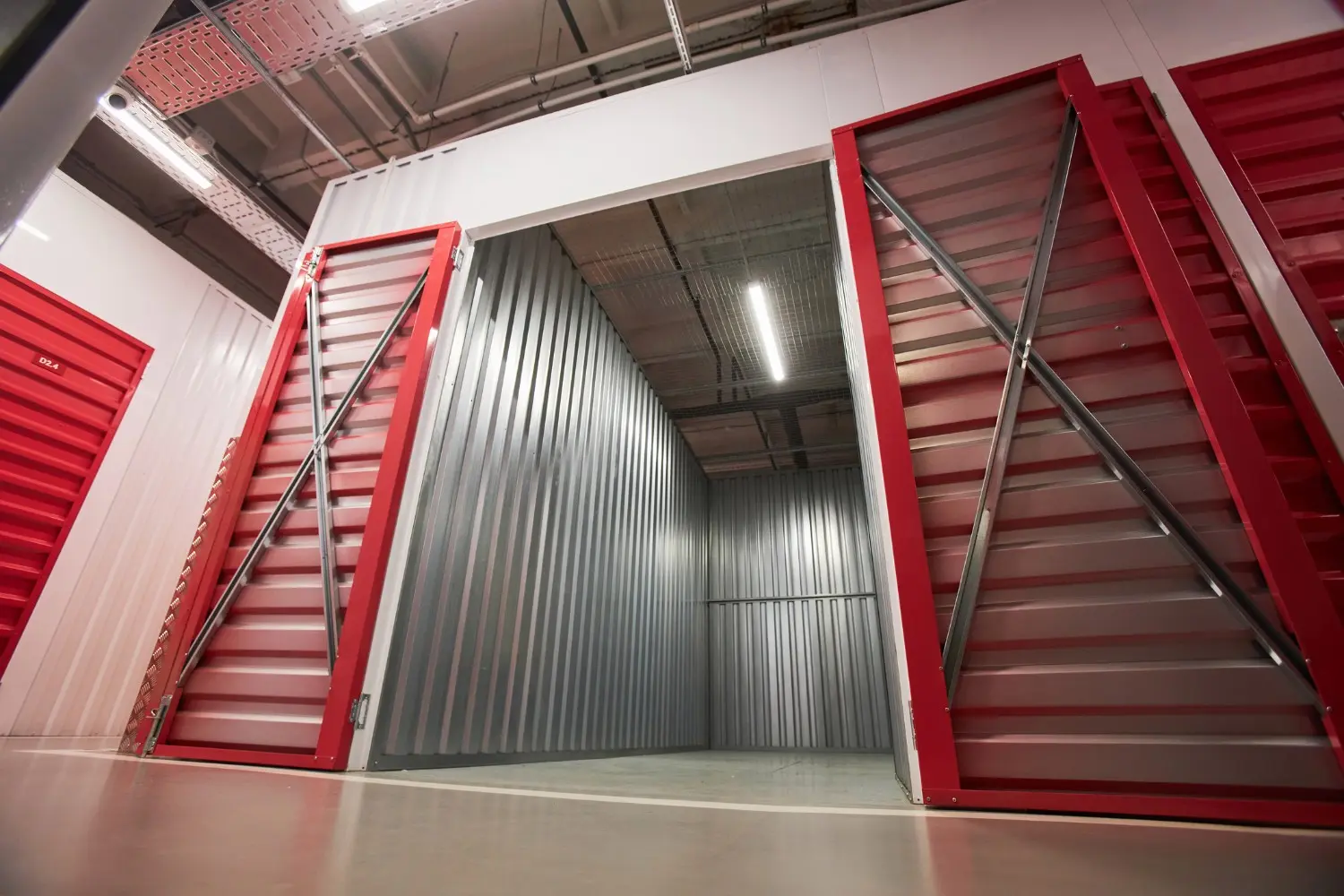
Securing a storage unit for an extended period requires different considerations than short-term, month-to-month rentals. When items are left unattended for seasons or years, the environment inside the unit becomes the most critical factor in preservation. Standard garage-style units often lack the insulation and air circulation necessary to prevent stagnation, which can be detrimental to sensitive materials.
High-quality long-term storage facilities prioritize environmental consistency. This involves regulating temperature ranges to ensure they never dip below freezing or spike during the dry summer months. More importantly, it involves humidity control. Without active dehumidification, trapped air can condense on furniture, electronics, and textiles, leading to irreversible mildew growth or warping.
Effective long-term storage includes a suite of structural and service-based features designed to maintain the condition of your belongings:
- Climate Stabilization: Systems that maintain a steady temperature and humidity level, regardless of the weather outside. This is essential for protecting wood furniture from cracking, leather from drying out or molding, and electronics from internal corrosion.
- Pest Control Protocols: A rigorous, proactive approach to pest management is vital. Long-term units are less frequently visited, meaning minor intrusions can go unnoticed for months if the facility does not maintain a strict barrier against rodents and insects.
- Dust and Debris Mitigation: Interior corridors and well-sealed unit doors minimize the accumulation of dust, which can work its way into electronics and upholstery over time.
- Digital Surveillance and Access Control: Advanced monitoring systems that track entry and exit, ensuring that only authorized personnel and renters access specific zones of the facility.
The Process of Securing and utilizing Long-Term Space
Moving items into storage for the long haul is a systematic process. Unlike a quick move where boxes might be tossed haphazardly, long-term storage demands a strategic approach to packing and organization to ensure items remain in pristine condition and can be easily retrieved when needed.
The workflow typically begins with an inventory assessment — get a free estimate. Determining the volume of goods is crucial for selecting the right unit size. Renting a unit that is too small forces you to stack items too high or too tightly, reducing airflow and increasing the risk of crush damage to lower boxes. Conversely, a unit that is too large results in unnecessary monthly expenses.
Once the space is secured, the intake process focuses on protection and placement:
- Preparation and Cleaning: Before items leave your home or office, they must be clean and dry. Appliances are defrosted and wiped down to prevent mold. Furniture is dusted and treated.
- Protective Wrapping: Furniture is wrapped in breathable covers rather than plastic. Plastic wraps can trap moisture against the surface of wood or fabric, creating a micro-environment for mold. Breathable pads or cotton sheets allow air to circulate while keeping dust off.
- Strategic Stacking: Heavier, sturdier items form the base. Boxes are stacked with the heaviest on the bottom and lightest on top. Passageways are created within the unit to allow access to the rear without requiring a full unpack.
- Inventory Mapping: For long-term contracts, creating a map of where specific items are located within the unit saves significant time during partial retrievals.
When to Choose Long-Term Storage Over Purging
Deciding whether to store items indefinitely or sell, donate, or discard them is a common dilemma during major life transitions. While decluttering is often encouraged, there are specific scenarios where paying for storage is the more financially and emotionally sound decision. The cost of replacement often exceeds the cost of storage, particularly for high-quality furniture and specialized equipment.
Weighing the decision involves analyzing the "replacement gap"—the difference between the current value of your item and what it would cost to buy new in the future. If you are relocating temporarily for work, remodeling a home, or merging households, storage acts as a bridge.
Consider storage if your situation aligns with these scenarios:
- Temporary Relocation: If you are moving abroad or to a furnished apartment for a year or two, storing your household goods eliminates the massive expense of rebuying furniture upon your return.
- Home Renovation: During extensive remodels in Seattle, dust and debris can ruin furniture. Moving items off-site protects them and clears the workspace for contractors, speeding up the renovation timeline.
- Heirlooms and Sentinel Value: Items that cannot be replaced, such as antiques, art, or family heirlooms, should be stored rather than sold. Climate-controlled environments preserve these assets better than attics or basements.
- Seasonal Rotation: For residents with limited square footage, storing seasonal gear like skis, camping equipment, or heavy winter wardrobes during the off-season frees up valuable living space.
Critical Considerations for Storage in Seattle
The Pacific Northwest presents unique challenges for storage due to its specific climate. Seattle is defined by high rainfall and high average humidity for a significant portion of the year. This persistent moisture is the primary enemy of stored goods. Standard storage units that lack climate control essentially expose your belongings to the ambient humidity, which can fluctuate drastically.
When trusting Movher with your belongings, you are choosing a solution that mitigates these regional risks. Residents must be aware that "heated storage" is not the same as "climate-controlled storage." Heated storage simply prevents freezing, but it does not necessarily strip moisture from the air. In fact, heating damp air without dehumidification can sometimes accelerate mold growth. True climate control manages both temperature and humidity.
Local logistical factors also play a role in selecting a facility:
- Access During Dark Hours: Seattle has short daylight hours in the winter. Facilities must have bright, reliable lighting in hallways, loading docks, and parking areas to ensure safety and visibility during late-afternoon visits.
- Loading Protection: Covered loading bays are a significant advantage in a city where rain is frequent. Being able to unload a truck without exposing mattresses or electronics to direct rainfall prevents immediate water damage during the move-in process.
- Proximity and Traffic: Given the traffic patterns in the region, choosing a facility that is accessible from major thoroughfares reduces the time and cost associated with moving goods in and out.
Detailed Security and Facility Standards
The baseline for a reputable long-term storage provider goes beyond a padlock. Security is a multi-layered protocol designed to deter theft, detect unauthorized activity, and ensure the physical safety of the facility. For customers storing valuable assets for months or years, the peace of mind provided by advanced security measures is non-negotiable.
Modern facilities employ a combination of physical barriers and digital surveillance. This ensures that the facility is monitored even when staff are not present. Security protocols are also regularly audited to ensure all cameras, gates, and keypads are functioning correctly.
Key security features to look for include:
- Perimeter Fencing and Gated Access: The first line of defense is a secure perimeter. Electronic gates with unique access codes for each tenant track exactly who enters and leaves the property and at what time.
- Video Surveillance: High-definition cameras covering entry points, hallways, and exterior zones provide a continuous digital record of activity. Visible cameras also act as a strong deterrent against criminal activity.
- Well-Lit Premises: Motion-sensor lighting in corridors ensures that tenants are never walking into dark areas. This improves personal safety and allows for better video capture quality.
- On-Site Management: The presence of professional staff during business hours provides an added layer of oversight. Staff conduct daily walk-throughs to check for unlocked units or suspicious activity.
- Fire Suppression Systems: Modern facilities are equipped with smoke detectors and sprinkler systems designed to suppress fires quickly, protecting the structural integrity of the building and the contents within.
Preparing Your Items for Extended Storage
Proper preparation is the single biggest factor in how well your items survive long-term storage. Even in a climate-controlled unit, items that are packed while dirty or damp can deteriorate. The goal of preparation is to neutralize potential threats—such as food residue, moisture, or stress on joints—before the unit door is locked.
Different materials require different preparation techniques. Wood needs to be treated to prevent drying, while textiles need to be laundered to prevent pests. Electronics require protection from dust and static. Taking the time to prep items correctly extends their lifespan and ensures they come out of storage looking exactly as they did when they went in.
Follow these preparation guidelines for optimal results:
- Appliances: Defrost freezers and refrigerators completely. Leave doors slightly ajar to prevent mold growth inside the seals. Drain water from washing machines and dishwashers.
- Furniture: Disassemble bed frames and tables to reduce stress on joints and save space. Keep all screws and bolts in a labeled bag taped to the piece of furniture.
- Electronics: Remove batteries from all devices to prevent corrosion and leakage. Pack original cords with the device. Use anti-static bubble wrap for screens and monitors.
- Clothing and Linens: Wash or dry clean everything before storage. Do not use starch, as it attracts pests. Pack in plastic bins with moisture-absorbing packets rather than cardboard boxes, which can degrade over time.
- Books and Documents: Pack books flat to protect their spines. Use acid-free boxes for important documents to prevent yellowing. Avoid placing paper items directly on the floor.
Maximizing Space and Accessibility
Long-term storage is an investment, and maximizing the utility of the rented space ensures you get the best value. Efficient packing allows you to fit more into a smaller unit, lowering your monthly costs. However, density must be balanced with accessibility. If you pack a unit floor-to-ceiling without a plan, retrieving a single item six months later becomes a major logistical headache.
Creating an aisle down the center of the unit or along the walls allows you to reach boxes at the back without unloading the entire front section. This is particularly important for long-term storage, as your needs may change over the course of a year, requiring you to retrieve seasonal items or documents.
Strategies for efficient space utilization include:
- Vertical Utilization: Use the full height of the unit. Shelving units can be installed to stack boxes safely without crushing the bottom layers.
- Uniform Box Sizes: Using standard-sized moving boxes allows for stable stacking. Mismatched boxes create unstable towers that are prone to toppling.
- Drawer Utilization: Fill dresser drawers and hollow appliances with lightweight items like linens or pillows to maximize every cubic inch of space.
- Labeling System: Label every box clearly on multiple sides. Number the boxes and keep a master list at home detailing what is inside each numbered box.
Secure Your Long-Term Storage Solution
Protecting your belongings from the Seattle climate and security risks requires a professional, well-maintained facility. Whether you are navigating a complex move, renovating your home, or simply need to reclaim living space, the right storage solution provides safety and flexibility. Don’t leave your valuables vulnerable to moisture or theft.
Let Movher handle your long-term storage needs with the security and care your items deserve.
Contact us today to discuss availability and reserve your climate-controlled unit.
Schedule Your Move Or Contact Us
PROMOTIONS & OFFERS
Hot Deals & Cool Savings
WHERE WE OPERATE
Service Areas
.png)